

|
 アスター (蝦夷菊)
|
|
|
|
-- もっと見る(Show more)--
-- 閉じる(Close) --
|
|
|
|

|
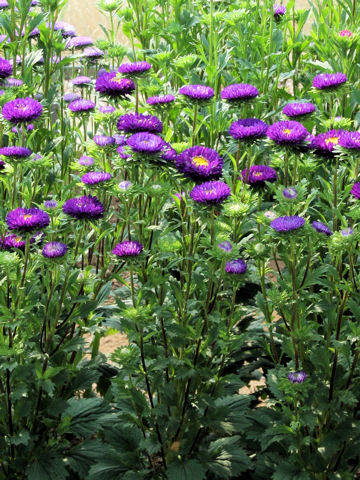
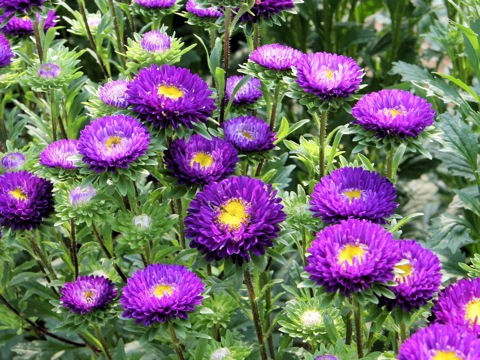
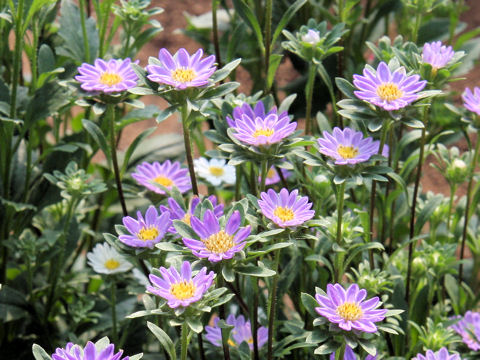
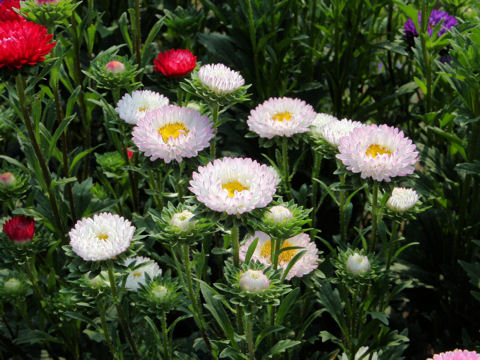
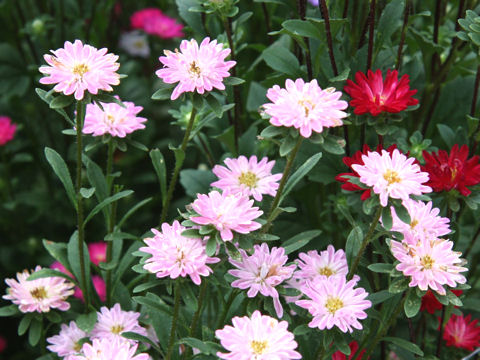
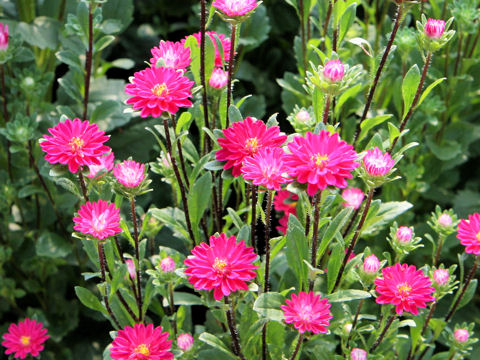
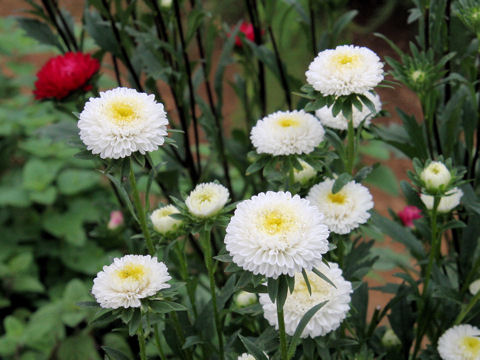
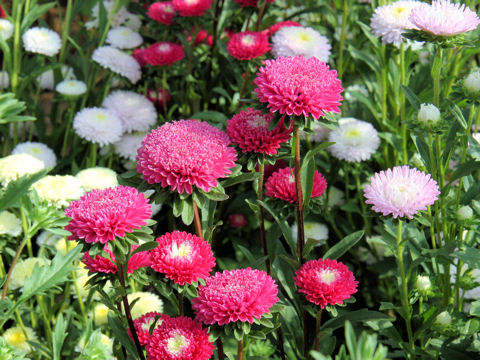
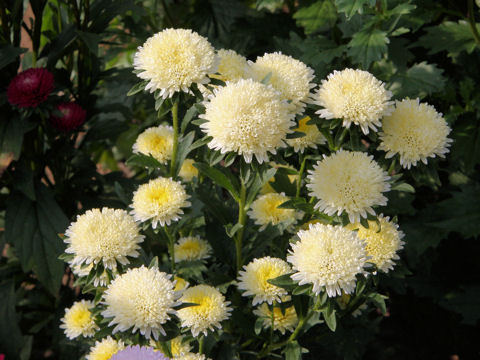
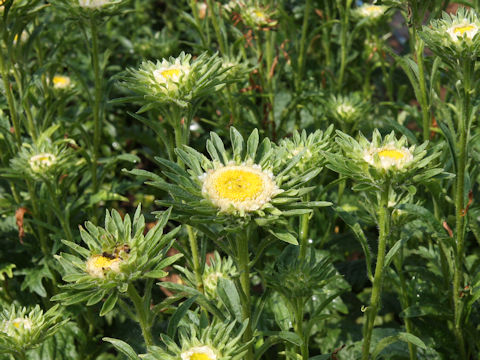
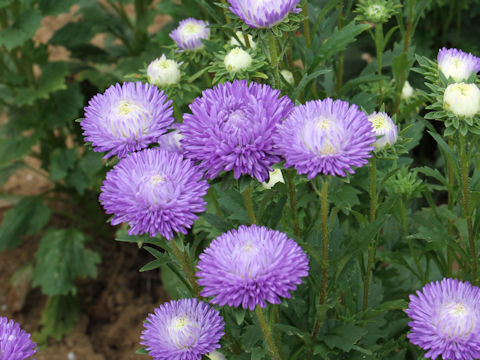
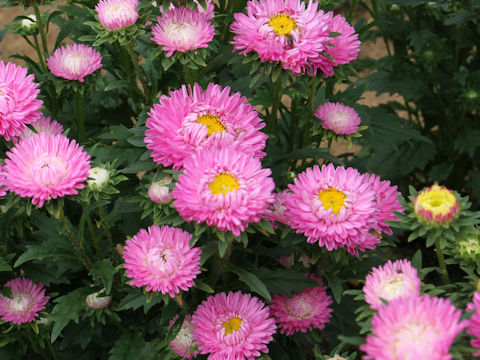
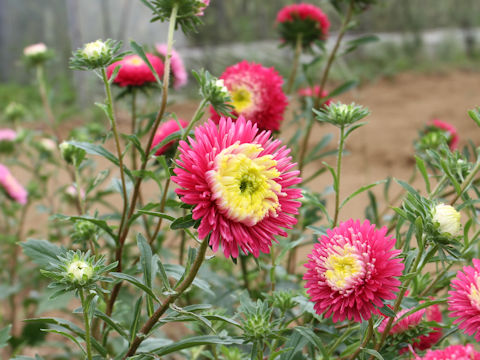
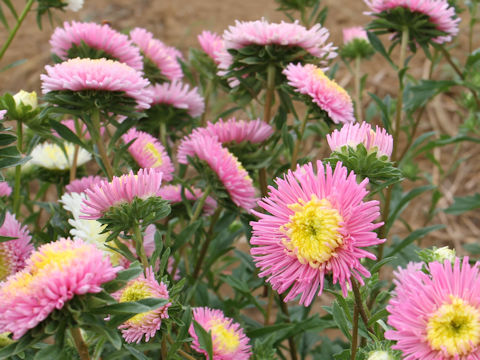
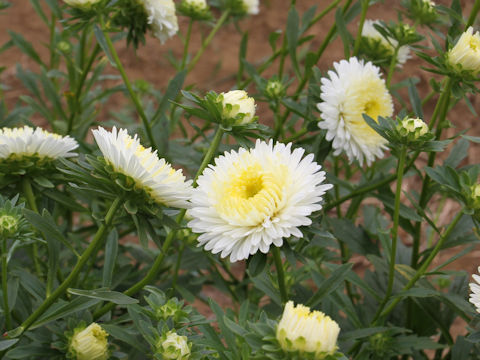
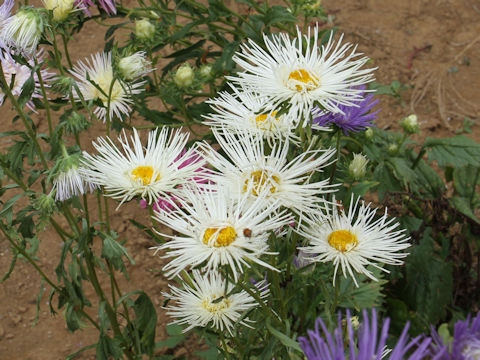
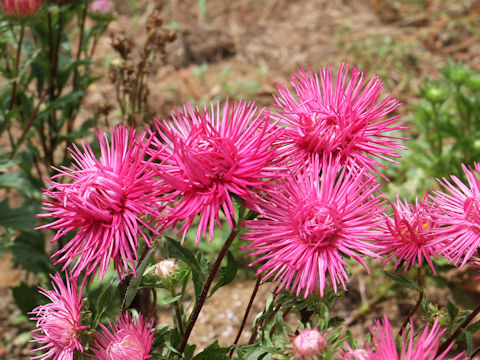
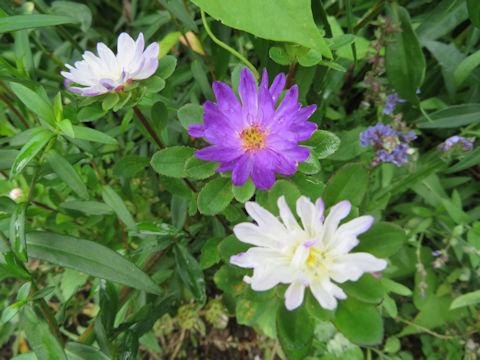
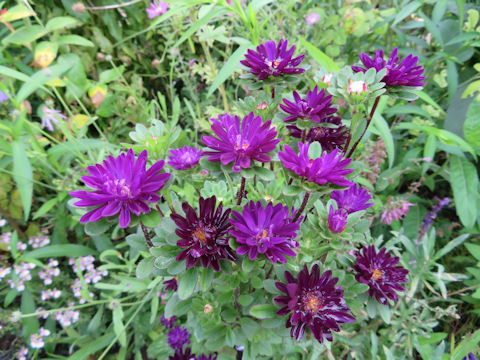
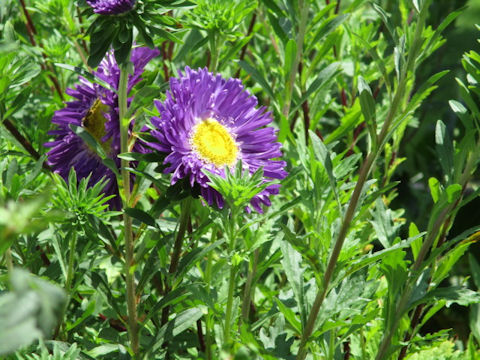
中国東北部からシベリアが原産です。わが国へは江戸時代の中頃に渡来しました。ふつうには「アスター」と呼ばれていますが、シオン(アスター)属ではありません。冷涼な気候を好み、極端に連作を嫌います。高さは30~80センチになり、7月から8月ごろ、赤色やピンク色、紫色、白色などの花を咲かせます。八重咲きや一重咲き、ポンポン咲きなどの品種があります。和名では「さつまぎく(薩摩菊)」とか「えぞぎく(蝦夷菊)」と呼ばれます。また中国語では「翠菊(cui ju)」と呼ばれます。 韓国語では「クァコッ(과꽃)」です。これは白頭山付近に住んでいた「チュグム(추금)」という未亡人が、夫が育てていた花を育てながら貞節を守ったという伝説に由来し、「未亡人の花(クァブコッ: 과부꽃)」と呼ばれていたものが、変化して「クァコッ(과꽃)」になったという説があります。 写真中9の品種は、「ハルク(cv. Hulk)」、 中10・中11は、「ビューティフルデイズ(cv. Beatiful Days')」、 中12~中14は、「上海(cv. Shanghai)」、 中15・中16は、「ヴァルキューレ(cv. Valkyrie)」。 |
|
|
キク科エゾギク属の一年草で、学名は Callistephus chinensis。英名は China aster。 |
|
|
The China aster (Callistephus chinensis) belongs to Asteraceae (the Aster family). It is an annual herb that is native to east-northern China and Siberia. It was introduced into Japan in the middle days of Edo Era (1603-1868). This herb prefers cool environment and abhors continuous cropping. It can reach 30-80 cm in height. The red, pink, purple or white flowers bloom from July to August. There are many flower types; single, double or pompon blossoms. It is also called "翠菊" (cui ju) in Chinese. In Korean, it's called "kwa-kkot" (과꽃). This name originates from a legend about a widow named "Chugeum" (추금) who lived near Mount Baekdu and remained chaste while tending to the flowers her husband had cultivated. There is a theory that the name evolved from "widow's flower" (kwa-bu-kkot: 과부꽃), evolved into "kwa-kkot" (과꽃). |
|
|
[上・中1~3] 千葉県香取市大角にて、2010年07月22日撮影。 [中4~中6] 同上にて、2010年07月30日撮影。 [中7・中8] 同上にて、2010年08月12日撮影。 [中9] 同上にて、2012年08月02日撮影。 [中10~中16] 同上にて、2016年08月16日撮影。 [中17~中19] フランス・ノルマンディー地方ジヴェルニー「モネの庭」にて、2019年08月13日撮影。 [中20] ポルトガル・セントロ地方レイリア市にて、2024年08月01日撮影。(photo by Yumi Gunji) [下] 同上にて、2024年08月18日撮影。(photo by Yumi Gunji) |


|
|

|
Shu Suehiro shu@botanic.jp
|