

|
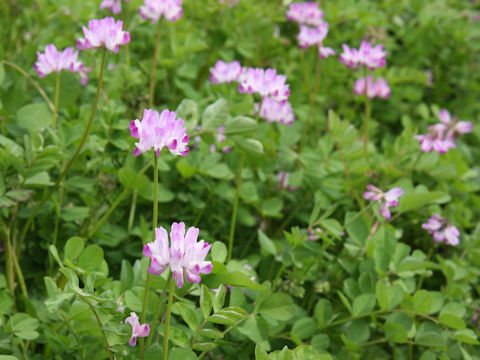
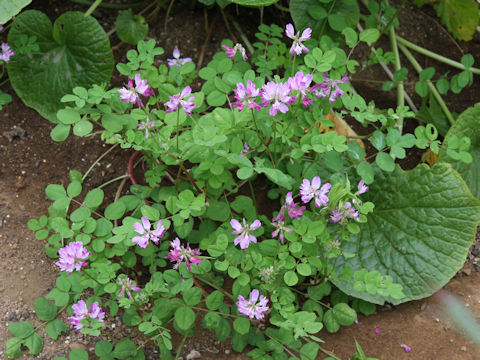
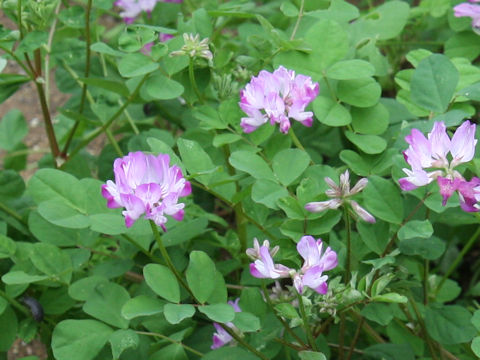
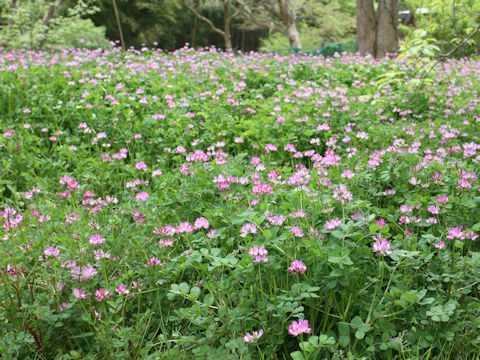
 げんげ (紫雲英)
|
|
|
              |
|

|
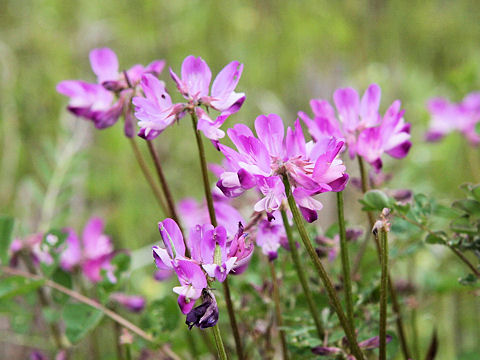
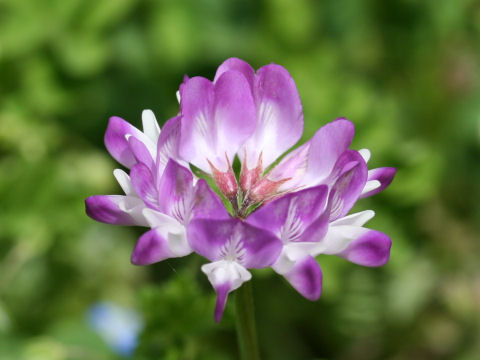
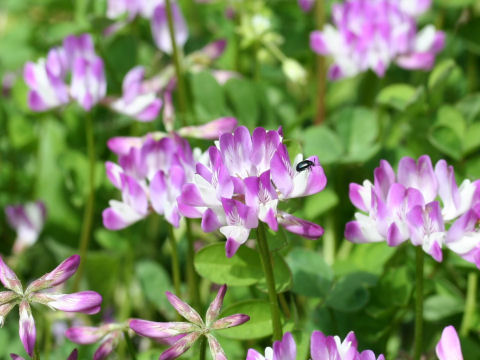
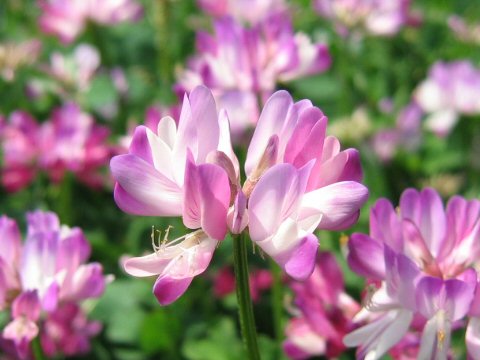
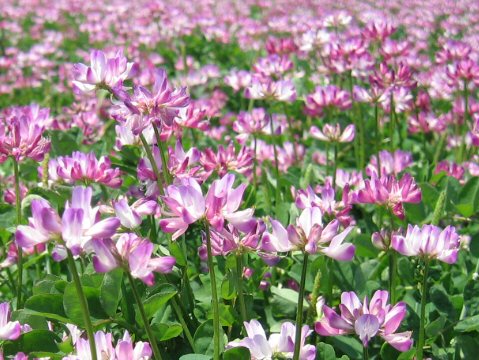
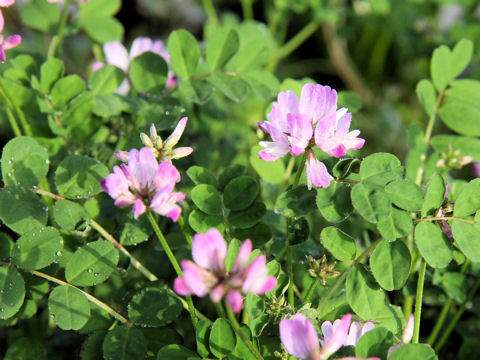
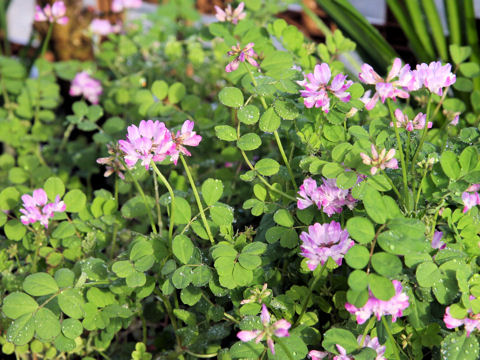
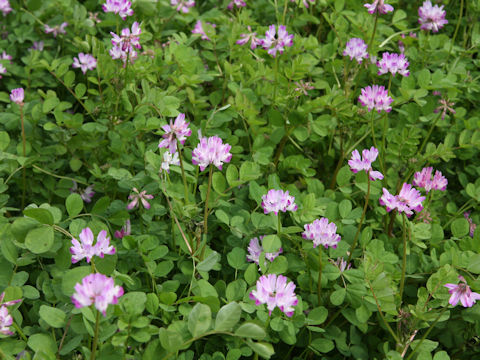
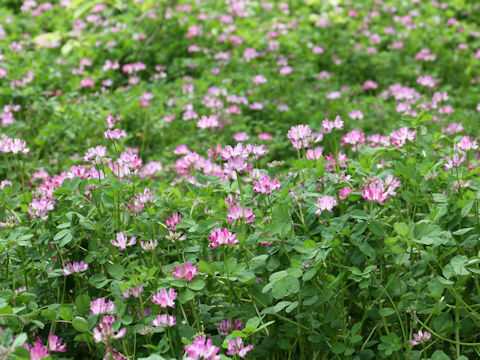
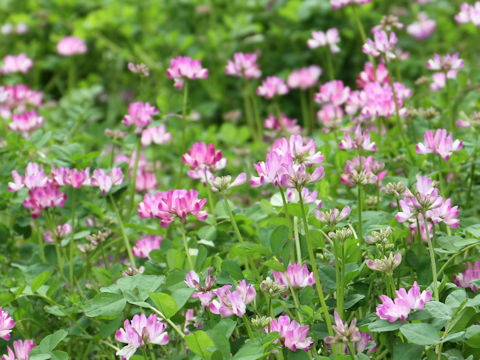
東アジアから中国が原産です。わが国へは17世紀ごろに渡来し、明治以後になって急速に広まりました。「げんげ」というのが標準和名ですが、ふつうには「れんげ(蓮華)」、「れんげそう(蓮華草)」と呼ばれています。以前は、どこの田んぼでも種を播いて緑肥としていましたが、今ではほとんど見られなくなりました。花期は4月から6月ごろ。春の若芽をおひたしに、花は天ぷらにするなど食用になります。台湾華語では「紫雲英」、中国語では「紫雲英(zi yun ying)」と呼ばれます。 |
|
|
マメ科ゲンゲ属の一年草で、学名は Astragalus sinicus。英名は Chinese milk vetch。 |
|
|
The Chinese milk vetch (Astragalus sinicus) belongs to Fabaceae (the Pea family). It is an annual herb that is native to East Asia and China. This herb was introduced into Japan in 17th century and became widely used after Meiji Era (1868-1912). It had been used as green manure crop in many rice paddies, though it is scarcely able to find nowadays. The flowers come in April through June. The young shoots are used for boiled vegetable and also the flowers for deep-fried food. In Taiwanese Chinese, it is called "紫雲英", and "紫雲英" (zi yun ying) in Chinese. |
|
|
[上] 群馬県吉井町多比良にて、2008年04月26日撮影。 [中1・中2] 京都府京田辺市打田北谷にて、2006年04月18日撮影。 [中3・中4] 岡山県柵原町長内にて、2004年04月22日撮影。 [中5・中6] 茨城県神栖市太田新町にて、2009年04月12日撮影。 [中7・中8] 千葉県香取市大角にて、2011年04月07日撮影。 [中9・中10] 同上にて、2012年05月09日撮影。 [中11~12・下] 宮城県山元町「深山」にて、2020年05月01日撮影。 |
|
|

|
Shu Suehiro shu@botanic.jp
|