

|
 つた (蔦)
|
|
|
|
-- もっと見る(Show more)--
-- 閉じる(Close) --
|
|
|
|

|
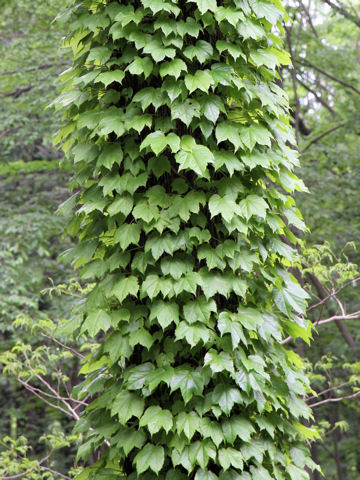
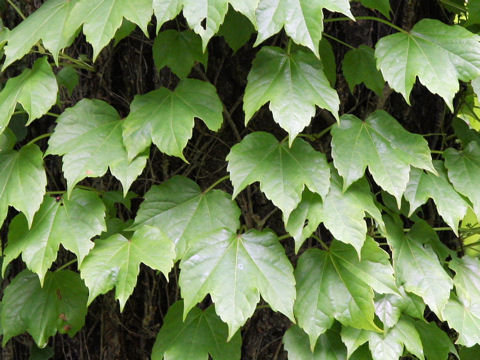
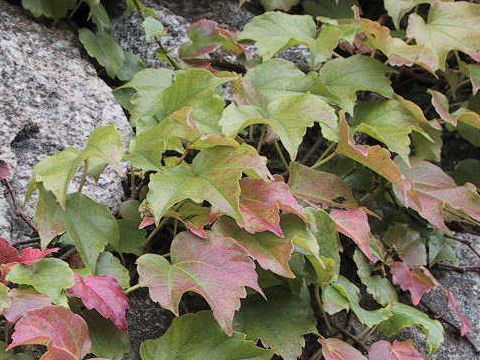
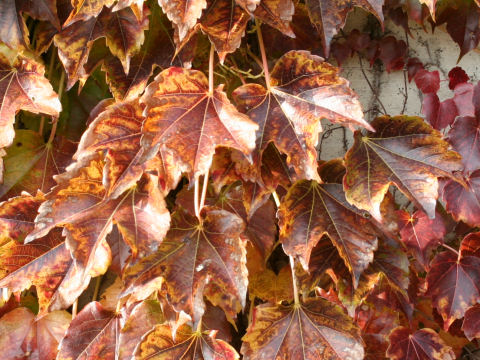
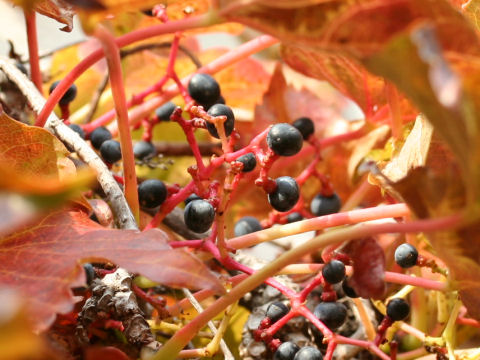
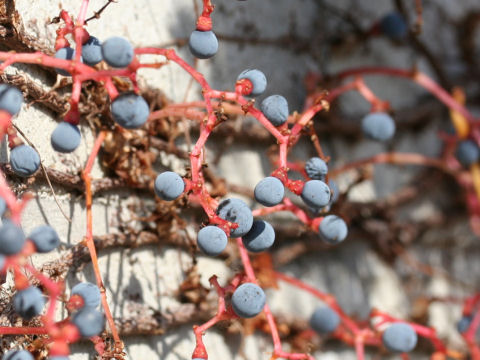
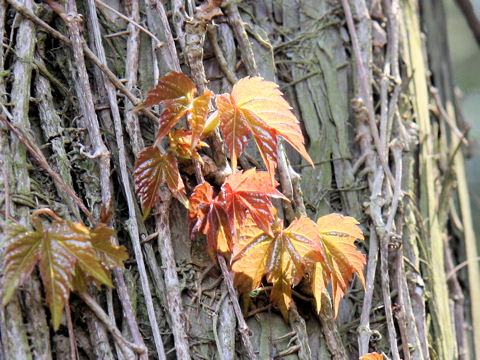
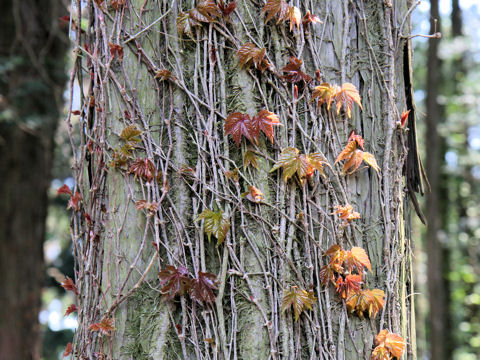
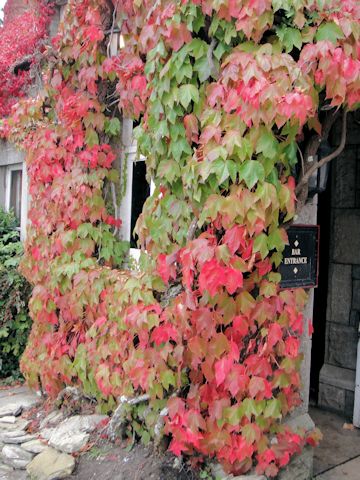
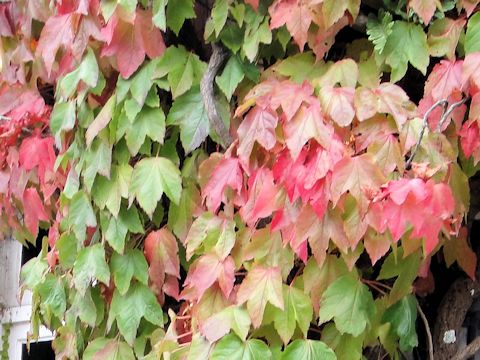
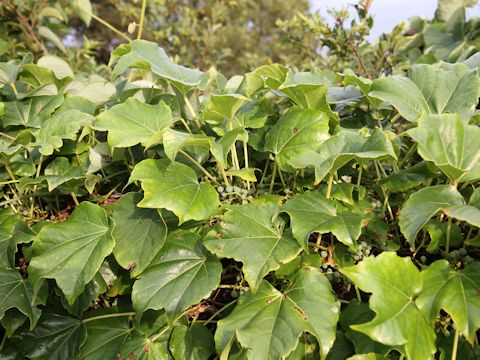
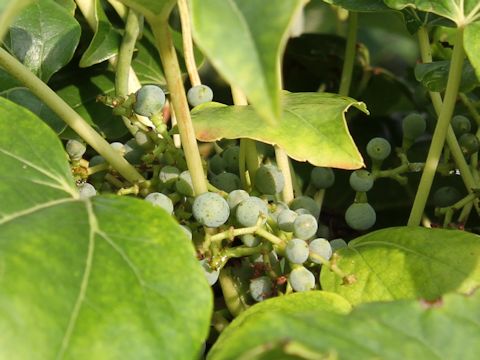
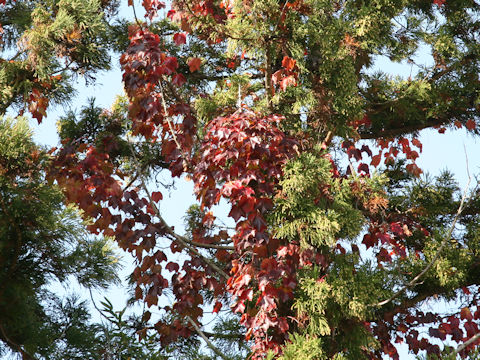
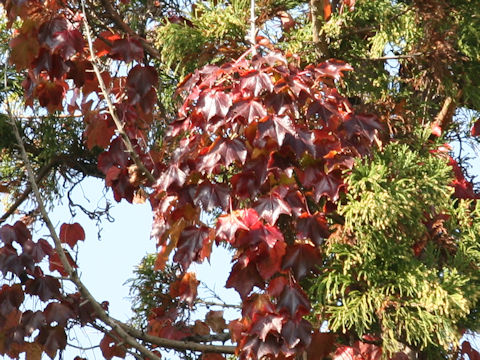
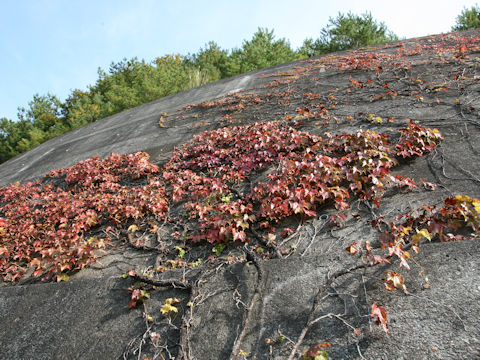
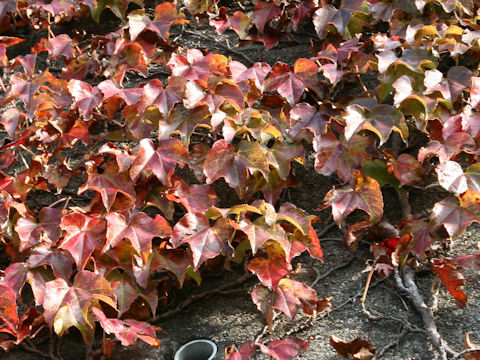
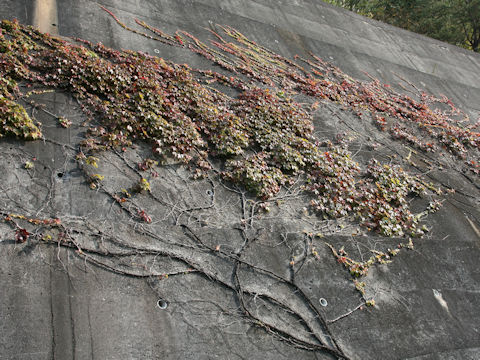
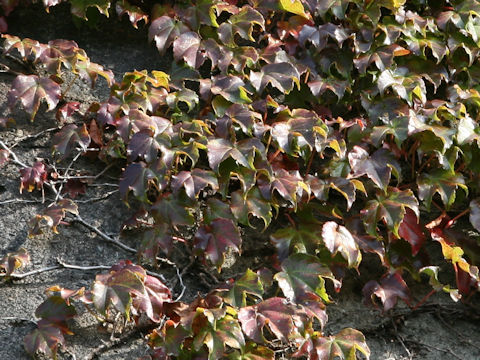
わが国の各地をはじめ、台湾や朝鮮半島、中国に分布しています。別名で「なつづた(夏蔦)」とも呼ばれます。枝はつる性で、葉の反対側から巻きひげをだし、樹木や岩などに付着して伸びます。6月から7月ごろ、枝の先に花序をだし、目立たない黄緑色の小さい花を咲かせます。10月ごろには果実は紫黒色に熟し、葉は美しく紅葉します。台湾華語では「地錦」、中国語では「地錦(di jin)」と呼ばれます。 韓国語では「タムジェンイドングル(담쟁이덩굴)」です。これは「塀に絡みついて生えているつる植物(담쟁에 붙어 자라는 덩굴나무)」という意味に由来しています。 |
|
|
ブドウ科ツタ属の落葉蔓性低木で、学名は Parthenocissus tricuspidata。英名は Japanese ivy、Boston ivy。 |
|
|
The Japanese ivy (Parthenocissus tricuspidata) belongs to Vitaceae (the Grape family). It is a deciduous woody trailing vine that is distrubuted to Japan, as well as Taiwan, the Korean Peninsula and China. This vine climbs up adjascent trees and rocks by tendrils that are opposite side of the leaves. The clusters are borne on the terminal branches and the inconspicuous, small, yellowish-green flowers bloom from June to July. The leaves turn red in fall. The fruits are round berries, ripen in purplish-black. In Taiwanese Chinese, it is called "地錦", and in Chinese "地錦" (di jin). In Korean, it's called "dam-jaeng-i-deong-gul" (담쟁이덩굴). This derives from the meaning "a vine that grows by twining around a fence" (담쟁에 붙어 자라는 덩굴나무). |
|
|
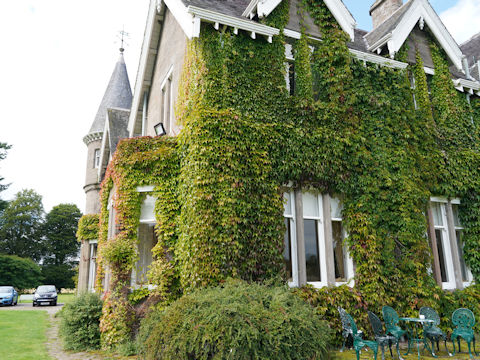
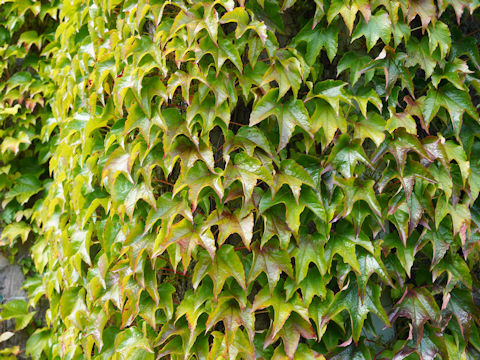
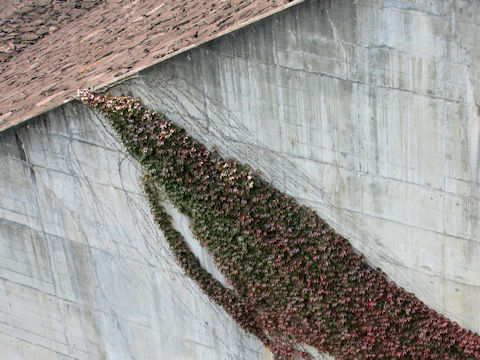
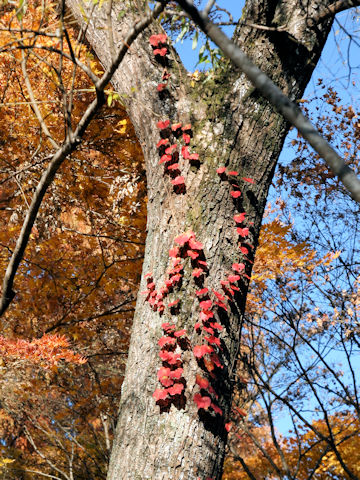
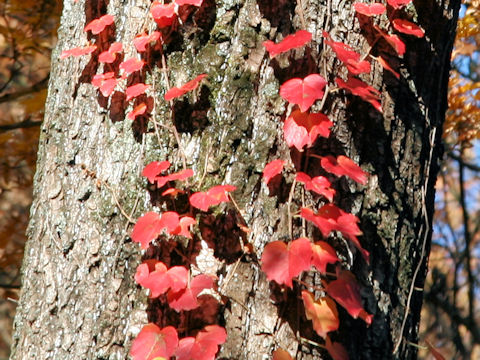
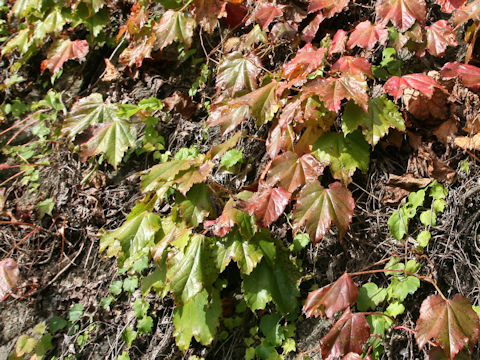
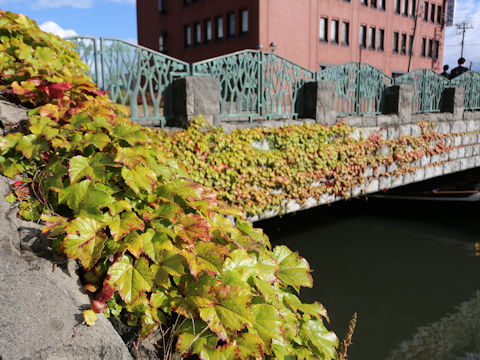
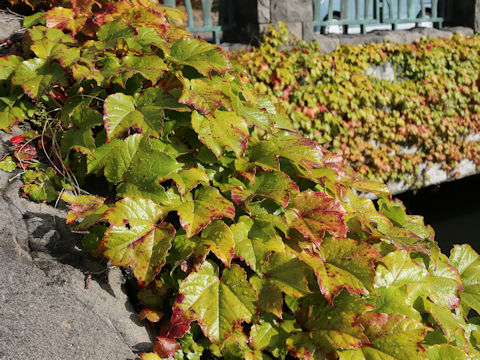
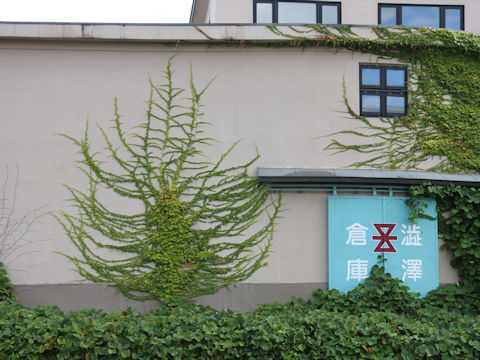
[上・中1] 群馬県安中市「小根山森林公園」にて、2009年05月24日撮影。 [中2] 大阪府四條畷市「えびす公園」にて、2001年10月05日撮影。 [中3・中4] 兵庫県加西市「兵庫県フラワーセンター」にて、2005年11月25日撮影。 [中5] 大阪府交野市「大阪市大付属植物園」にて、2005年12月01日撮影。 [中6・中7] 千葉県香取市大角にて、2010年04月26日撮影。 [中8・中9] イギリス・ドーセット州クライストチャーチにて、2009年09月28日撮影。(photo by Jouette Travis) [中10・中11] 静岡県熱海市熱海「錦ヶ浦」にて、2013年08月02日撮影。 [中12・中13] 宮城県多賀城市「多賀城跡」にて、2022年11月11日撮影。 [中14・中15] イギリス・スコットランド・キンクレーブン「バラタイハウスホテル」にて、2023年08月13日撮影。(photo by Jon Suehiro) [中16~中20] 宮城県七ヶ宿町「七ヶ宿ダム」にて、2023年10月28日撮影。 [中21・中22] 宮城県仙台市青葉区「東北大学植物園」にて、2024年11月21日撮影。 [中23・中24] 宮城県川崎町「みちのく杜の湖畔公園」にて、2025年10月21日撮影。 [中25~26・下] 北海道小樽市港町「小樽運河」にて、2026年09月30日撮影。 |

|
|

|
Shu Suehiro shu@botanic.jp
|